

Meet Our Makers: Merv Kuek and Chris Thursfield, Co-Founders of Eighteen Thousand Islands
Eighteen Thousand Islands was created by two cousins who started selling satay at Melbourne’s Queen Vic Market and were soon shifting 2000+ skewers and 100+ litres of sauce per night!
They’ve run a cult satay bar in the CBD, received praise from The Age and Matt Preston, and never failed to credit their grandma whose famous Indo recipes are the beating heart of this brilliant range. We chatted to Co-Founders Merv Kuek and Chris Thursfield all about the early days of Eighteen Thousand Islands and transforming their one-of-a-kind satay business into a thriving brand. Read on for more!
C&C: Hi Merv and Chris! Can you tell us a bit about the early days of Eighteen Thousand Islands? Where did the idea come from and how did the business get started?
Merv: So I’m half Indonesian and half Malaysian and Chris (my Co-Founder) is half Indonesian and English. Our Mums are sisters and we grew up in Melbourne and used to have these big family barbecues where there were a lot of different cultures. We had the usual sausages and steaks, but we also had satay on the barbecue. Growing up, we used to say “Wow, we are the luckiest kids”. We used to just eat satays at these Aussie barbecues with these Indonesians there talking about footy and cricket. We used to always joke about selling satay as we grew up throughout our teenage years. We continued to talk about it, we both went through university and we both didn’t really work in hospitality either. When we finished university, we both got ‘career’ jobs in tech but we kept thinking about selling satays.
We both came up with the idea to open a satay stall at Queen Victoria Night Market, a great inner city night market that happens every Wednesday over summer. There’s twenty thousand people who come to this really cool and arty night market. We thought it would be a great idea to have a satay stall there, just to try it out and finally sell some satay.
At the time, the challenge was that they have forty food vendors there and only turn over one or two a year because it’s so lucrative. But we didn’t know that, because ignorance is bliss. We decided to put an application in and since Chris works in design and product, it was a very cool looking presentation. I’m really passionate, so we thought that if I presented it, then they couldn’t say no. They had 150 applications for those two spots and they said yes to us! They then put us in the best location, in the middle amongst all the food vendors - they were all really upset that this new satay venture was in the best location and they’d been there for years! We were called Warung Satay (Warung means market street stall) and set it up like a street market. That went really well, we had massive queues (the biggest queues there) and we were always getting photographed. From our perspective, we’d tested the product and it did very very well! We had to customise things because Australians like bigger satays, we couldn’t do it as spicy and we also customised it for vegans by taking out the shrimp paste and creating a tofu satay which ended up being one of our favourites.
C&C: We read that after this, you managed to pivot the business to a more permanent location in Melbourne’s CBD. How did you go about this?
Chris: We did the Queen Victoria Night Market for a couple of years, got really popular and refined our product. Then we decided that it was time to create a permanent satay business in the city. The next step was to use the money that we made to quit our corporate jobs and set up a ‘satay bar’ in the city. I did the design, we got a hole-in-the-wall place and we were punching out five hundred meals over two to three hours. It was so packed.
It was so much fun and very theatrical. People would come and watch us cook satay, it was all glass there was great music and people would come to hear us talk and cook food - it was kind of like a stage. We had four people working in an area of 3m x 3m.
It went crazy after we were reviewed by Matt Preston and The Age. The Matt Preston review had a line that read ‘they specialise in do one thing, and they do it well’. That’s what we told everybody - we did one thing. There’s a temptation to try to do too many things. We were ahead of the curve by specialising in one thing and doing it well.
After a few years, there was the temptation of another location. There were a lot of people and consultants wanting to work with us regarding franchising. We opened up another place in the city in a laneway, which was more of a ‘sit down’ kind of place. That was great, but it didn’t do as well as the first place (which was 95% takeaway in a 3m x 3m venue with low rent) versus something where you sit down, need more staff, a bigger fitout and people expect a higher level of service. The business model for that still made money but it wasn’t as successful.
After about ten years, we sold the business and it got bought by our staff and a Singaporean group of investors.
C&C: How did you eventually make the shift into bottling the sauces?
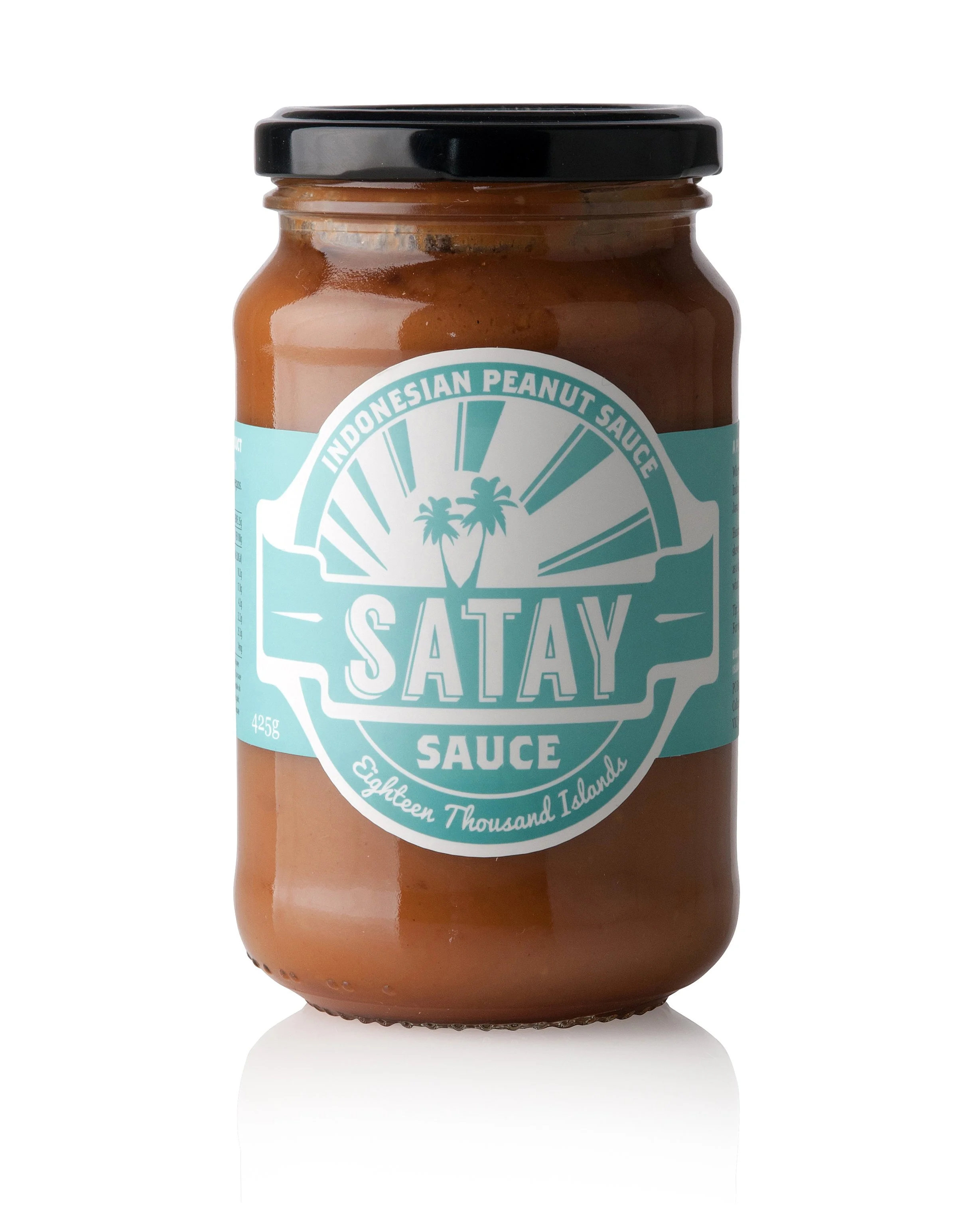
Chris: After we sold the business, we went back to our other careers but we kept getting asked for satay sauce for the next ten years, with people asking us to put it in jars. We did a test run and put it into a couple of stores in Melbourne where we knew the owners to get some honest feedback regarding the size and branding. We did one run, got some feedback and worked with a contract manufacturer, food technologist and brought it to life with three products.
We started off with a mild satay sauce, a chilli sauce and kecap manis. We call that the ‘old school range’, which is what we started with because that’s what we’re known for.
C&C: What has the process of getting Eighteen Thousand Islands ‘on the shelf’ and into retailers been like?
Merv: We launched the product at probably the stupidest time (because we didn’t know any better) in around October or November. Usually this is an embargo period and no retailers take in any new products around that time. I told Chris that I was going to get “30 in 30”, that is thirty good retailers in thirty days before Christmas. When you win the right stores in Melbourne, other stores want what those stores have. We found the top thirty stores in Melbourne that should have this product, that would then become the benchmark for other stores to want it as well. I walked into a range of different stores and they all said yes to me on the spot! It was because we were different, if I was walking in there with a passata or a muesli I don’t know how you would sell it - but the fact that we are unique and different sold it. The challenge that we had was price, because generally the Asian category is “budget”. We were the first gourmet Asian brand and that was our major selling point - made in Melbourne, gourmet and has a very unique story. The sauce did really well in those stores and we then expanded after that.
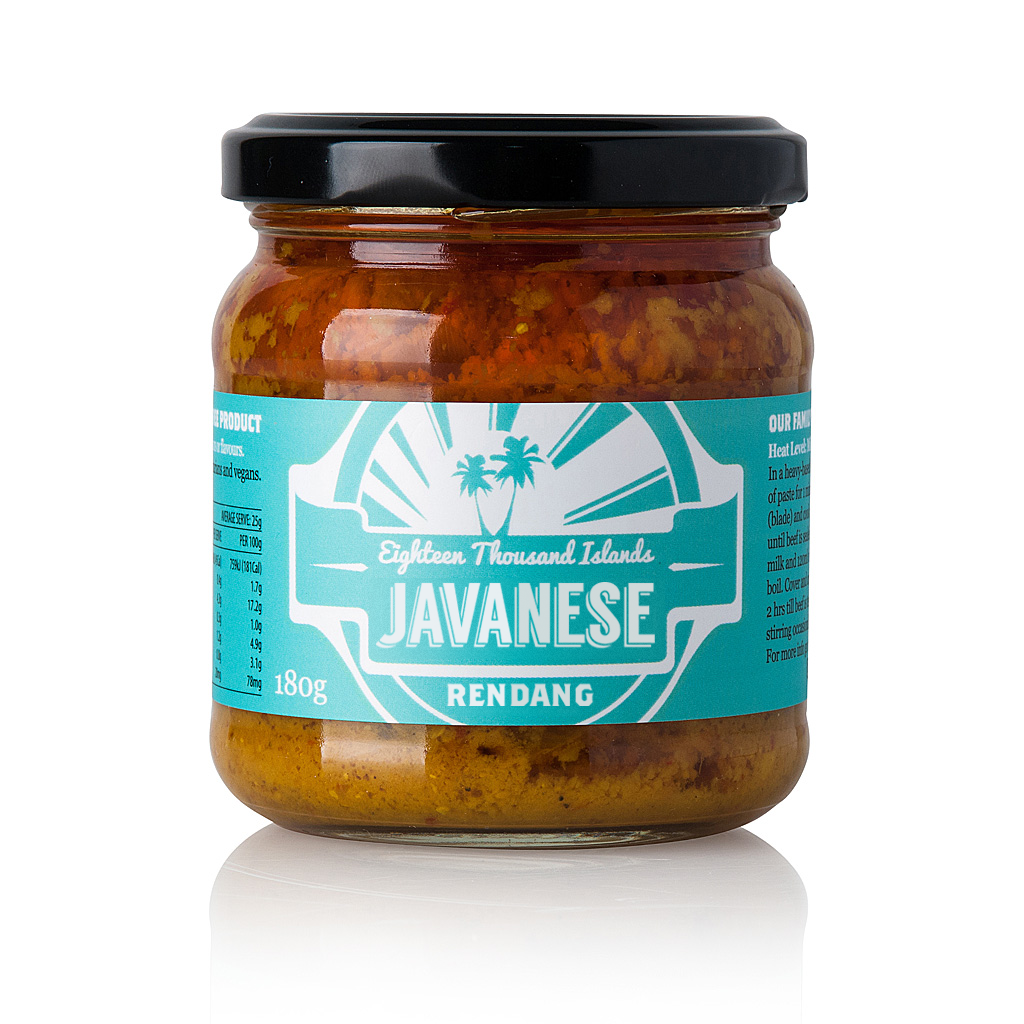
After we brought the satay sauce out, everyone kept asking us for a hotter version of the satay - so we brought one out. Then my Mum suggested some Balinese and Rendang curry. By distributing direct to Victoria, we get feedback from the retailers directly. Having this fast direct feedback is really good for us.
C&C: In that process of getting the products ‘on the shelf’ and going through that evolution, how did you end up working with a distributor and why did you choose to work with Cartel & Co?
Chris: So we have distribution in Western Australia and we use Cartel & Co for the Eastern seaboard. During the COVID-19 pandemic, our sales went crazy.
It was nuts! Luckily, we were focussed on retail. After lockdown, our sales plateaued and we started to ask what to do next and decided that we needed to find a new distributor for the Eastern seaboard. My cousin works in the gourmet food industry, knows Hayssam and suggested that Cartel & Co was a boutique business that was right for us.
C&C: If I was brand new to the Eighteen Thousand Islands world, which product would you recommend that I try first?
Chris: Our satay sauce is what we’re famous for. We sell literally tonnes of satay sauce and most of our sales go through this. It’s very versatile, you can use it as a dip with some vegetables, heat up your favourite roti bread and dip it in that, cook some protein like tofu, lamb or chicken and add it on top or stir it through a stir fry. Recently we’ve had tradie customers tell us they love adding a jar of satay sauce to a “bachelors handbag”, a roast chicken from Coles or Woolies. I’ve tried it with the family and it taste great too!
C&C: What do you envision for the future of Eighteen Thousand Islands as a brand?
Merv: Eighteen Thousand Islands’ name came about because there are seventeen and a half thousand islands in the archipelagos of Indonesia. It’s about a celebration of Indonesian food. Down the track, we hope that Eighteen Thousand Islands as a brand becomes synonymous with Indonesian food.
Right now, Indonesian food is not a big thing in Australia - it’s slowly getting there because everyone goes to Bali and there are a lot of Indonesians in the Northern Territory and in Western Australia. In the future, we hope that Eighteen Thousand Islands will help to bring the love of Indonesian cuisine to the Australian public.
—