
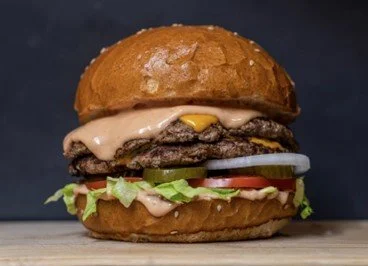
63% of South Australian adults are overweight or obese, and 35% of kids are on their way. That’s why, as of July 1 2025, the SA Government has banned a range of junk food items from being advertised on Adelaide’s buses, trains and trams.
It follows recommendations by The World Health Organisation that countries crack down on marketing aimed at children – those hungry little sponges who are especially open to suggestion.
Health Minister Chris Picton has said the ban is a “sensible step” towards a “healthier South Australia”.
So what’s banned, who decided, and will there be repercussions for brands like ours?
The yeah/nah list
Officially called the "Restriction of Unhealthy Food and Drink Advertising on South Australian Government Transit Assets" policy, the ban goes like this:
🍩 Strictly prohibited: Branded ads for chocolate, lollies, desserts, ice cream, soft drink, chips and processed meats.
🥪 Allowed with caveats: Unbranded/generic food imagery, ads with minor “banned” elements in a healthy context, plain soy milk and unflavoured rice cakes.
🤔 Support is provided for ambiguous cases via expert review.
Who says?
A working group started drafting the policy in 2024 based on widespread consultation with public health brains, food and advertising players, universities, government bodies and everyday people. The goal? To curb children’s exposure to unhealthy temptations of the salty, fatty and sugary kind plastered all over public transport, and align with standards established in the National Obesity Strategy 2022-2032.
Why food advertising works
Even if we think we’re immune, food advertising works on the deepest, squishiest parts of our brain programmed to seek calories, and can change our behaviour without us even realising it.
Viewing highly palatable foodstuffs activates the dopamine reward system, which is associated with cravings, emotional vs. rational responses, and habit formation. So that image of crispy fries or a glistening whopper can make us want them even if we’re not physically hungry.
Kids and teens are especially susceptible to this trick, because they’re less able to distinguish between content and coercion, and easily swayed by peer pressure and promotional appeal. A 2023 WHO meta-analysis showed kids exposed to unhealthy food marketing consume, on average, 63 more calories per exposure session.
What about artisans?
While there’s no provision for smaller, artisanal brands who use “blacklisted” ingredients in beautiful ways, does the inside of a tram really suit their brand story (or budget) anyway? Those ad spots run to thousands of dollars per month, and we can think of one thousand more intimate and meaningful ways to share the deliciousness – including a choice perch in your store, and good old fashioned rave reviews.
🤔 Tell us, what’s your view on the ban?