
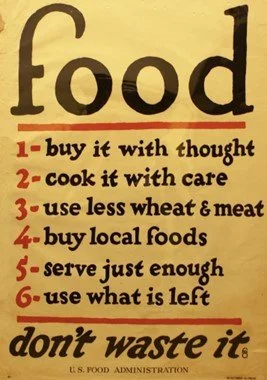
Confusion over whether food is “still good” to eat is costing this country big time.
Each year, 7.6 million tonnes of food is wasted in Australia – much of it perfectly edible.
On a household level, that’s like sending $2500 cash to landfill.
A lot of this has to do with misleading food labels and lack of education.
Best before vs. use by
“Use by” labels are a matter of health and safety, indicating that the product must be eaten before a specific date… or else!
“Before before” labels, on the other hand, are simply an indication of peak freshness. You can still consume the food after that date (within reason), it just might not be as good.
Current exceptions to this labelling convention include bread, which can have a “baked on” date, and canned foods with a shelf life longer than two years. Hopefully everyone has now finished their Cold War baked beans.
The cost of confusion
It’s a shame that something as tiny as a best-before date can trigger such dramatic fallout, but the truth is, people confuse “best before” and “use by” all the time (who hasn’t?) leading to mountains of perfectly good food ending up in landfill.
Unlike “use by” dates which are based on a known safety threshold, “best-before” dates are subjective, set by manufacturers independently.
But to consumers they signal roughly the same thing – and in a cost-of-living AND climate crisis, where rotting food belches methane into an already taxed atmosphere – can we really afford to get it wrong?
Barenaked alternatives
While education goes a long way, many researchers are calling for a far simpler solution: bin “best before” altogether.
And it’s already happening abroad! The UK is actively phasing out “best before” labels, alongside France and the US. Denmark is adding climate footprint labelling, while Norway is reassuring consumers with “best before, but still good after!” wording.
Back home, RMIT professor Lukas Parker is leading the National Date Labelling and Storage Advice initiative, which is working to reimagine labels for reduced waste. This three year effort sees Australia on the cusp of collaborative change, where education, better design and manufacturer accountability will foster less food in bins, more in bellies – which is exactly where it belongs.
Further reading
Go deeper into the issue via this Food Mag article, or this release from RMIT.
👉🏾 Tell us, what’s your favourite food waste hack?