
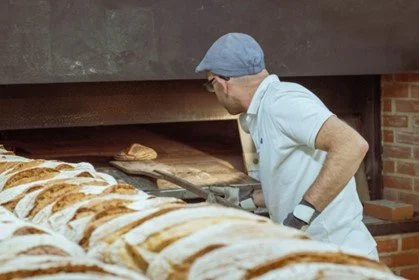
The word "artisanal" carries distinct connotations, like handmade, small batch, and slow. But what happens when artisanal products get popular? Can boutique food businesses scale without losing the heart and soul which makes them special?
Of course they can. We see it all the time, like Stefano’s sauces, now nationally beloved, which sprang from Stefano de Pieri’s simple desire to share Mildura’s produce. Or Springhill Farm’s Slice and Boodles, seen in major retailers around the country, whose origins can be traced back to a farm mum’s famous muesli bars nearly four decades ago.
Upgrade your thinking.
It starts with shifting your mindset from small batch and labour intensive to streamlined efficiency. This doesn’t mean squeezing your ethos into the sourcing/processing/packing status quo – sometimes you’ve got to take matters into your own hands, like this artisanal ice cream maker, who created an innovative hybrid manufacturing solution that not only met their quality standards, but provided an extra income stream too, increasing financial resilience and helping other artisans flourish.
Rejig your recipes.
There’s a big difference between making 10 litres of sorbet, and 10 000. While you can deftly adjust for natural variations in fruit ripeness or water content in a small kitchen, it’s another story when somebody else and/or a nifty bit of machinery needs to replicate your recipe time and again. Artisans can get savvy about sourcing premium standardized ingredients, like puréed, snap-frozen or freeze-dried fruits for example, to minimize variability. There are also many all-natural improvers out there that can simplify, or even eliminate, labour-intensive steps while retaining your signature texture or flavour. This article offers some great leads.
Stay high touch.
Growing doesn’t mean shedding the special touches that make you stand out. If your cookies & cream gelato is so damn good *because* you make the cookies in-house, find a way to keep making those cookies. If the magic of your basil & blackberry ice cream is steeping fresh organic basil leaves in jersey cream, don’t change that. Perhaps you continue making small batches – just more of them – or invest in equipment that makes your signature steps possible. Staying true to your original mission and values as a brand is key.
With great power…
2 + 2 = 5 when it comes to handling food at scale. A huge consideration for growing artisans is quality and safety, researching (and re-learning) how larger quantities of food behave in terms of mixing, heating/cooling (and possible pathogenic hazards), transportation, shelf life and more. From food safety regs to personal risk minimization during production, there’s a lot to think about… but hey, isn’t that all part of the fun?
We firmly believe in business as an expression of creativity, personal values and the better world we all want to be part of. Cracking the nut that is artisanal food at scale is one helluva rewarding venture, and we’re here to cheer on those bold entrepreneurs determined to make it happen. (In fact, we love providing a sounding board, so always feel free to reach out.)
👉🏾 Have you witnessed a winning example of brand integrity or ingenuity while scaling from small to not-so-small? Hit reply and tell us.