
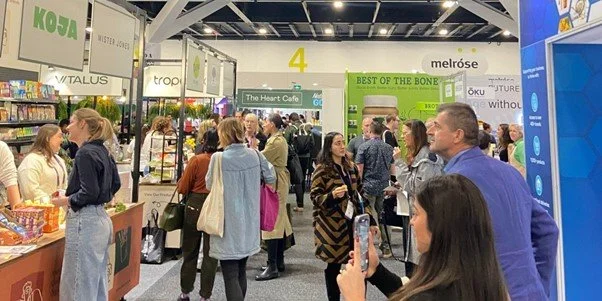
It got us thinking about the growing hunger for functional foods; foods that don’t just taste good but help us think, move, sleep and perform a little better too.
Typically higher in price (because probiotic reindeer antlers aren’t cheap), we’re curious about how functional foods are faring in the cost of living crisis, and if shoppers will keep on investing. Here’s what we found.
* We recently heard the cost of living crisis referred to as the “cossie livs” and there’s something about putting a cutesy spin on this big hairy issue that makes it more absurd and approachable.
The research
🥬 Would Gen Z spend their last $11 on streaming services, or salad? This research summary explains that, surprisingly, younger folks are willing to prioritize their health over luxuries like fashion, travel and entertainment.
🥬 Buying Less But Better is a mantra savvy shoppers are living by, forking out a bit more for functional foods while economising on non-essentials. BLBB is seen as an investment in future wellbeing and longevity.
🥬 There’s ample crossover between functional foods and supplements. In fact, functional foods are often fortified with vitamins, minerals and other goodies, making them an attractive alternative to the chalky horse pills gathering dust above the microwave. With some sources saying that up to 80% of Australians take supplements, we don’t see why functional foods can’t claim a share of this massive and nutritious pie.
🥬 As seen in Jiva’s total domination in our Top 20 of Everything chart, we are still surfing the post-COVID wellness wave, with immunity-supporting drinks and foods more popular than ever.
The takeaway
🍉 Cost-of-living pressures aren’t necessarily turning us all into cheapskates but drawing the things that really matter into focus. What good is a new pair of jeans if you’re not well enough to strut? Healthy products and behaviours, for now, seem to be immune to the cossie livs.
👉🏻What wouldn’t you compromise on at the grocery store? Do you have a favourite functional food right now?